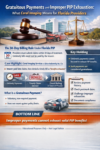
The 30-Day Billing Rule Under Florida PIP
Florida’s Personal Injury Protection statute, section 627.736(5)(b), Florida Statutes (1999), imposed a strict 30-day billing requirement for medical providers submitting PIP claims. The statute states that a provider’s statement of charges “may not include” charges for treatment rendered more than 30 days before the postmark date, and the insurer is not required to pay those untimely charges.
It further provides that the injured person is not liable for charges that go unpaid because the provider failed to comply with the statute.
The Case That Clarified the Rule
The Third District Court of Appeal addressed this issue directly in Coral Imaging Servs. v. Geico Indemnity Insurance Co..
In that case:
- A provider timely submitted its bill.
- The insurer denied most of the payment, claiming the $10,000 PIP limits were exhausted.
- The limits had been depleted in part because the insurer paid two untimely bills submitted by another provider.
The timely provider challenged the exhaustion defense.
Key Holding
The Court held that an insurer cannot rely on payments made for untimely, statutorily noncompliant bills to defeat payment of a timely claim.
To interpret the statute logically and consistently with legislative intent, the court explained it must be read as either:
- Prohibiting insurers from paying untimely bills; or
- Treating any payment of untimely bills as gratuitous, meaning those payments do not count against the PIP policy limits.
In other words, if an insurer voluntarily pays a bill it was not required to pay under the statute, that payment cannot be used to exhaust benefits and deny a compliant provider.
What Is a Gratuitous Payment?
A gratuitous payment is one made voluntarily and not legally required.
Under Coral Imaging:
- An insurer may choose to pay an untimely bill.
- But that payment is not a proper statutory PIP payment.
- It should not reduce or exhaust available PIP limits.
Allowing otherwise would undermine the purpose of the 30-day billing rule and reward statutory noncompliance.
Why Insurers Still Assert Exhaustion
Despite this clear reasoning, insurers often argue:
- “Benefits were exhausted before your bill was received.”
- “The statute says we are not required to pay late bills, but it does not prohibit payment.”
- “Payment is payment, regardless of timeliness.”
- “Exhaustion is valid once policy limits are reached.”
These arguments mirror the interpretation rejected in Coral Imaging. The court made clear that allowing insurers to exhaust benefits by paying untimely bills would eviscerate the 30-day requirement and undermine legislative intent.
Practical Application in PIP Litigation
When benefits are claimed to be exhausted, providers should:
- Review the payment ledger carefully.
- Determine whether prior payments were made on untimely submissions.
- Request documentation showing when previously paid bills were postmarked.
- Challenge exhaustion defenses grounded in noncompliant payments.
To strengthen reimbursement:
- Confirm your bill was timely submitted.
- Preserve proof of mailing and postmark dates.
- Analyze the payment history for statutory compliance.
- Clearly articulate why prior payments were not required under section 627.736(5)(b).
Bottom Line
Improper exhaustion cannot defeat a timely claim.
If benefits were depleted by paying untimely bills, those payments may be gratuitous and should not reduce available PIP coverage. Providers should scrutinize exhaustion defenses and challenge improper denials with confidence grounded in established Florida law.
Educational Disclaimer
This article is for educational purposes only and does not constitute legal advice. Providers should consult qualified legal counsel regarding specific claims or disputes.